

How the White Card Course in Melbourne Can Fast-Track Your Construction Career Edway
Updated: 5 hours ago

A White Card establishes the general safety foundation for entering construction, but it does not establish readiness for every role or worksite. Meeting white card requirements covers general construction induction, while your intended role determines which additional training may be required. Edway Training helps new entrants understand that distinction before they begin building further construction skills. Your next course can then be selected according to the work you are preparing to do.
Getting your first construction job often depends on having the required training in place before an employer needs you. In Victoria, that starts with completing the general construction induction required to obtain a White Card.
Edway Training delivers the White Card Course in Melbourne for people preparing to enter construction work in Victoria.
Why the White Card Still Matters Across Australia
The course can quickly change the way they look at a site. It’s not a day of ticking boxes. It’s the start of understanding how the industry actually works:
How hazards are spotted
Who is responsible for what
How to keep yourself and your mates safe.
That foundation can shape the rest of your construction career.
The White Card links directly to CPCWHS1001 Prepare to Work Safely in the Construction Industry. In Victoria, this unit can only be delivered by providers approved by WorkSafe VIC. Edway Training (RTO 91401) meets those requirements, meaning your card is accepted on Victorian sites and recognised nationally. Safe Work Australia confirms that properly issued white cards are accepted across most states, which helps if your work takes you interstate.
When your training comes from an approved provider, employers know you’ve learned the basics properly—site rules, risk control, incident reporting and the attitudes that help a new worker settle in quickly.
What You Learn in the CPCWHS1001 Melbourne Course
If you’re trying to picture what the day looks like, you can expect practical discussions, relatable examples and the kind of hazard awareness that seasoned workers rely on. As part of construction induction training that Melbourne requires, you complete the official CPCWHS1001 Melbourne unit. This includes learning how to identify hazards and risk control construction tasks across real-world scenarios—falls, machinery, electrical hazards, manual handling, silica, asbestos and the things newcomers often miss when they’re focused on just keeping up.
You’ll also walk through WHS duties, how Victorian legislation operates and the communication expectations on a modern site. The smallest details count: reading signage properly, choosing the right PPE, speaking up when something doesn’t look right.
By the end of the course, you’re not just “allowed” on site—you’re prepared for it.
Your White Card Is Not Job-Specific Training
Holding a white card confirms that you have completed construction induction training. It does not replace the induction you receive for a particular workplace. A site induction addresses local hazards, site rules, control measures and emergency procedures.
CPCWHS1001 establishes a common safety foundation, while the role determines what other evidence of training or competency an employer needs. Treating every ticket as equally useful can leave you spending time and money on training with little connection to the work you are pursuing.
How a White Card Fast-Tracks Your Construction Career
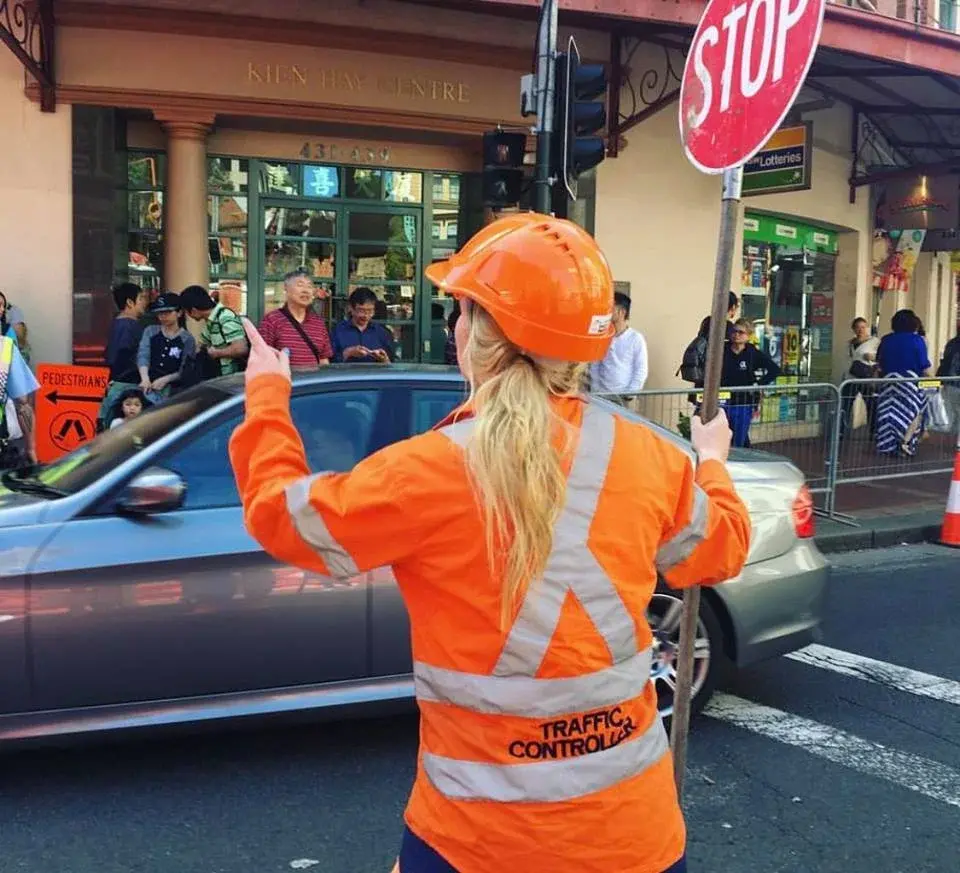
A big part of breaking into construction is timing. Crew supervisors often need people quickly, and if you don’t already hold the White Card Course Melbourne requirement, the opportunity evaporates. Completing the training early means you’re able to say yes to shifts, labour hire placements, traffic control gigs and apprentice roles without delay.
The qualification also builds your confidence early. When you understand how a site works, you fit in faster. You ask better questions. You’re not guessing. And that early reputation—being switched on, being safe—sticks with you.
Because the card is a nationally recognised white card throughout Australia, it also supports long-term mobility. You could start on residential sites in Melbourne, move to commercial projects in Sydney, NSW, Australia, or eventually join large-scale infrastructure work down the track.
Build Training Around the Work You Want
Construction career planning works better when you start with the role rather than a list of available courses. A worker heading towards traffic management faces different hazards from somebody working with asbestos, at height or around excavation activities. The next qualification should close a specific gap between your current training and the work you want to perform.
Before booking another course, consider:
The work you expect to perform.
The hazards associated with that work.
The competencies or licences required for the role.
The requirements set by employers and individual sites.
Edway Training offers construction and safety courses across areas, including traffic control, asbestos, silica, working at heights and confined spaces. Building a sequence around your intended work gives each course a defined purpose instead of turning training into a collection of unrelated tickets.
This approach also makes future training easier to prioritise as your responsibilities change. An entry-level labouring role may expose you to one set of tasks, while later work can introduce plant, traffic, hazardous materials or supervisory duties. Reviewing the training attached to each change in responsibility gives your development a practical sequence and helps you avoid booking courses simply because they appear useful.
National Recognition and State Requirements
If you are researching how to get a white card, separate national recognition from the rules for obtaining one. A valid White Card is recognised across Australia, but the local WHS regulator determines how construction induction training must be completed in its jurisdiction.
That is relevant when comparing a white card course Australia-wide. In Victoria, WorkSafe requires training through an approved RTO in a face-to-face classroom environment, with photographic identification and at least six hours of training. The course must cover CPCWHS1001/CPCCWHS1001 Prepare to work safely in the construction industry, or a superseding unit. National recognition supports mobility after qualification, while enrolment and delivery requirements still need to be checked where you undertake the course.
Costs and Training Options Explained
People often ask, “How much does a white card course cost in Melbourne?” Prices vary, but most sit in the low-hundreds range. The important part is making sure the provider offers a WorkSafe VIC-approved white card, because anything else won’t be accepted on Victorian sites.
If you are asking, “Can I do the white card course online in Melbourne?”, current Victorian requirements make the answer clear. WorkSafe Victoria requires construction induction training to be completed face-to-face through an approved RTO; online White Card courses are not accepted. Edway Training delivers its Melbourne White Card as a six-hour classroom course approved by WorkSafe VIC.
Why Edway Training Works Well for New Learners
Edway Training has delivered high-quality training since 2008 and is known for having trainers with actual on-site experience. The way they explain things often comes from real jobs, not theory, which helps new workers understand what to expect before their first day. Many learners continue with Edway for traffic control, WHS, first aid or silica education because the learning environment feels supportive and practical—not corporate or intimidating.
A Roundup of Questions
How much does a white card course cost in Melbourne?
Costs usually fall within the low-hundreds depending on delivery type. Always choose a provider offering a WorkSafe VIC–approved white card.
Who needs to do a white card course in Melbourne?
Anyone working on or regularly entering a construction site—apprentices, trades assistants, labourers, traffic controllers and site visitors.
What does the white card course in Melbourne cover?
Hazard awareness, WHS responsibilities, basic risk controls and the safety essentials taught through the CPCWHS1001 Melbourne unit.
Is the white card issued in Victoria accepted in other states?
Generally yes, as long as it’s issued by an approved RTO. Check with local regulators when relocating.
Build a solid foundation for your career opportunities with a White Card Course in Melbourne.


The discussion surrounding the White Card Course in Melbourne raises important points about the industry’s demands and the preparedness it offers newcomers. The emphasis on training is crucial, as proper education ensures that workers are not just compliant but truly capable. However, the role of networks in securing jobs cannot be overlooked, especially when considering the impact of platforms like Royal Reels https://www.tandooripalace.co.nz in connecting skilled labor to opportunities.