

Advanced First Aid Training in Melbourne: What You Learn and Why It Matters

Updated: Jul 22
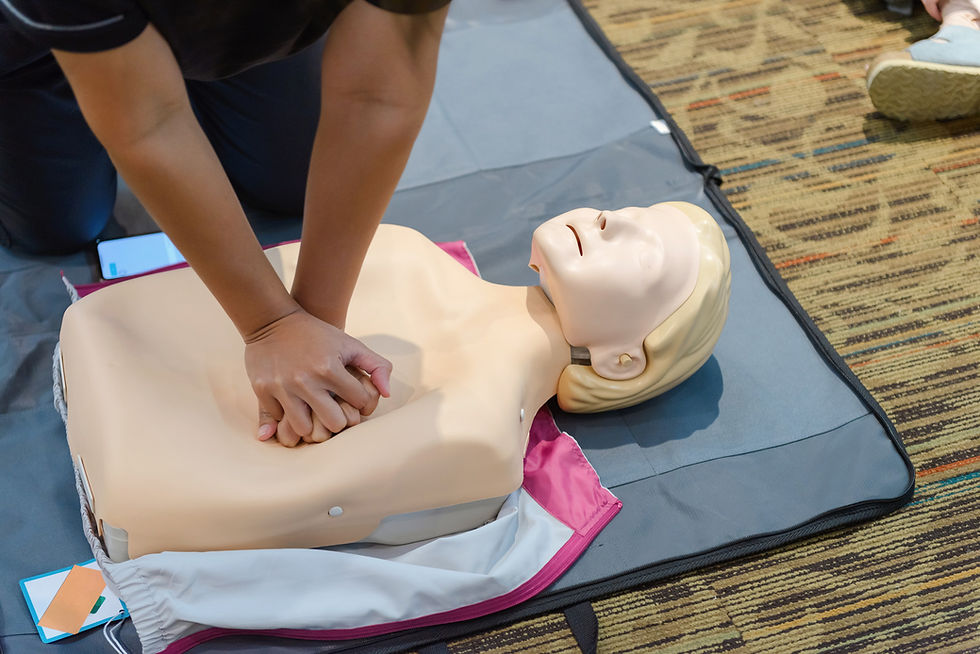
Workplace injuries become harder to manage when the person responding must deal with serious bleeding, spinal concerns or a sudden collapse. The level of training matters because advanced incidents require faster decisions and greater equipment knowledge.
If your role carries responsibility for staff, students or site safety, delayed action can affect treatment outcomes. Edway Training conducts advanced first aid training and classroom programs focused on workplace first aid training in Melbourne VIC.
Serious incidents can become harder to manage when no one knows how to assess risk, protect the injured person or communicate clearly with emergency services.
CPR and defibrillator use can change the first few minutes of a collapse.
Workplace first aiders need training that matches the hazards, layout and staffing pattern of the site.
Certificate currency matters because expired qualifications can affect workplace coverage requirements.
A serious first aid incident rarely follows a calm sequence of events. Collapses near machinery, severe allergic reactions and manual-handling injuries create very different first-aid demands inside the same workplace. Advanced first aid training prepares you for situations where basic treatment steps are insufficient for the condition in front of you. The role changes from simple first aid delivery to making decisions under pressure while emergency services are still on their way.
What Advanced First Aid Training Covers
In a workplace or education setting, the first responder has to assess the area before touching the injured person. Traffic movement, machinery, electrical hazards or surrounding activity can place the responder at risk as well. Advanced training teaches you to recognise hazards quickly and then respond according to the person’s condition.
Edway Training’s Advanced First Aid HLTAID014 course in Melbourne includes spinal management, defibrillation, anaphylactic shock, WHS guidelines, safe manual handling and legislation. The course runs across a full day and includes Provide First Aid and Provide CPR qualifications. A responder dealing with breathing difficulties, suspected spinal injuries or unconscious patients will need to communicate clearly with paramedics while treatment continues.
Key learning areas usually include:
Checking the scene and controlling immediate risks.
Assessing breathing, responsiveness and injury severity.
Using CPR and defibrillation training during a collapse.
Managing shock, bleeding, anaphylaxis and spinal concerns.
Following workplace reporting and WHS responsibilities.
What Changes Between Standard and Advanced First Aid
A standard first aid course usually focuses on immediate care steps for common incidents such as burns, bleeding, choking and CPR procedures. Advanced first aid places the responder into situations where more decisions and actions happen at the same time. A person treating a suspected spinal injury may need to keep the casualty still, monitor breathing, direct another staff member to call emergency services and prepare equipment while treatment continues. During incidents involving several injured people, the responder may also need to decide who requires attention first and relay clear information to paramedics after they arrive. The difference becomes clearer once treatment involves ongoing actions instead of a single response step.
Workplace Risk Assessments Determine First Aid Readiness
A first aider may be on another floor, assisting someone else or absent during a shift change when an incident happens. Response planning becomes more important once staff work across larger sites, supervise children, operate machinery or work further away from medical services. Australian WHS requirements ask employers to assess workplace conditions because first aid arrangements need to reflect what can realistically happen during normal operations.
Safe Work Australia considers factors such as worker numbers, workplace hazards, site layout and access to emergency care when determining first aid needs. A two-room office creates different response conditions from a large site where staff work across multiple areas. Distance from hospitals, shift coverage and higher-risk activities can also affect how many trained first aiders should be available.
Factors commonly considered during workplace assessments include:
Worker numbers and shift arrangements.
Hazardous equipment or higher-risk tasks.
Distance from emergency medical services.
Areas where treatment delays could affect outcomes.
Safe Work Australia states that immediate and effective first aid can reduce injury severity and, in serious cases, may mean the difference between life and death. That becomes easier to understand when workplaces consider how quickly a situation can deteriorate while staff wait for emergency services to arrive.
Certificate Currency and Melbourne Course Access
Edway Training states that the Advanced First Aid HLTAID014 qualification is valid for three years. If first aid training has not been refreshed for several years, hesitation can appear during an emergency and updated workplace procedures may no longer feel familiar. An expired qualification can also create practical staffing issues if a workplace relies on nominated first aid personnel.
For learners in Melbourne VIC, Edway Training runs Advanced First Aid as a classroom course through its Melbourne training options. This course is commonly completed by staff members responsible for workplace safety, childcare settings and situations where first aid responsibilities form part of the role.
Speak with Edway Training about advanced first aid training requirementS.
FAQs About Advanced First Aid Training
What is included in advanced first aid training?
Advanced first aid training includes broader emergency care skills such as CPR, defibrillation, spinal management, anaphylaxis response, WHS guidelines and safe manual handling.
Who needs advanced first aid training in the workplace?
Workplaces usually nominate staff members with responsibility for visitors, employees, children or higher-risk environments to complete advanced first aid training.
How long does an advanced first aid certificate last?
An advanced first aid certificate through Edway Training’s HLTAID014 course is valid for three years.
Is advanced first aid training better than basic first aid?
Advanced first aid training becomes more suitable when workplace responsibilities involve incident management, emergency response coordination or higher-risk activities.
Where can I complete advanced first aid training in Melbourne?
You can complete advanced first aid training in Melbourne through Edway Training’s classroom-based Advanced First Aid HLTAID014 course.


It's late finding this act. At least, it's a thing to be familiar with that there are such events exist. I agree with your Blog and I will be back to inspect it more in the future so please keep up your act. Aiko zonnepanelen
This is an excellent post I seen thanks to share it. It is really what I wanted to see hope in future you will continue for sharing such a excellent post. Inverter airco systeem
this blog was really great, never seen a great blog like this before. i think im gonna share this to my friends.. DAS zonnepanelen
This is very educational content and written well for a change. It's nice to see that some people still understand how to write a quality post! Soorten airconditioning systemen
Your music is amazing. You have some very talented artists. I wish you the best of success. Denim zonnepanelen