

Boom Lift And Scissor Lift Training Q&As
- One Digital
- May 24, 2017
- 3 min read

Many occupations which require you to work above ground level are only available to those who have their Boom Lift, Scissor Lift or appropriate WH&S accreditation and licensesIf you’ve been working in the construction industry for a while and feel the need to become more specialised, there are a range of working at heights courses available. Our Boom Lift and Scissor Lift courses are designed to help you upskill and move forward. To work as a Boom Lift or Scissor Lift operator you need to feel comfortable working over 11 metres, and have high levels of maturity and awareness. **at this time these courses are only offered in Sydney. To help you sort out which area of employment on an Elevated Work Platform interests you, we’ve put together some of the questions our trainers have been asked.
What is a White Card? | Just, in case you are not yet working in any of the construction industries - Work Safely in the Construction Industry CPCCOHS1001A is known as White Card training. This is the most basic, entry level accreditation that everyone who regularly enters a worksite must have. It’s a Federal Government Certification, and needs to be carried as proof that the carrier has passed all the units of an Occupational Health and Safety awareness course. | |
I don’t mind heights and I love machinery, what sort of course will suit me? | If you have a ‘head for heights’, love machinery, and you are careful, focused and mature – then RIIOHS204A – Work Safely at Heights is definitely the starting course for you. | |
What is covered in the ‘Work Safely At Heights’ course? | Just like it says, | |
What units are covered? | Units covered include risk and hazard awareness, how to correctly use safety equipment, what to do if there are accidents or falls, and legal requirements and responsibilities. | |
What is a Boom Lift/Scissor Lift course? | This course is designed to give you the basic skills for operating machinery similar in design to a ‘cherry picker’.
| |
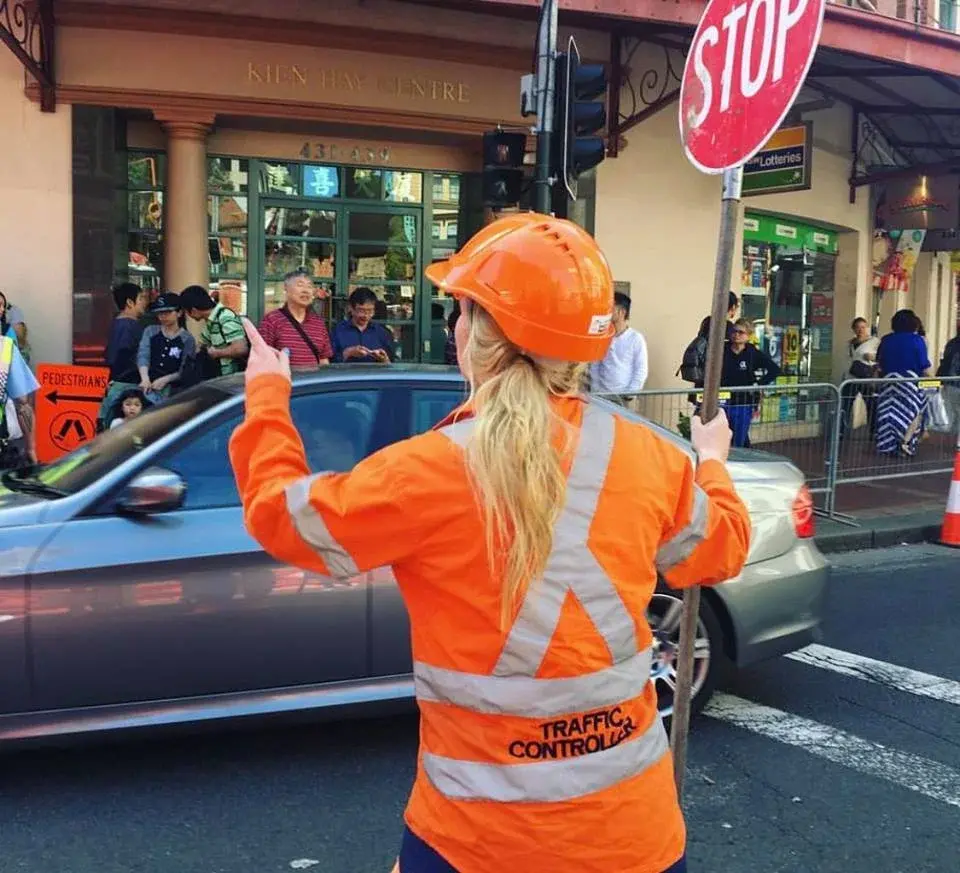
Will I get a yellow card if I pass this course? | Yes, Operate elevating work platform RIIHAN301D is a Yellow Card Course. But, don’t get it confused with a NSW Traffic Control Course which is also a Yellow Card. | |
What jobs can I get if I have boom lift/scissor lift accreditation? | You will be qualified to work low level boom or scissor lifts. HOWEVER this work is usually for people who have had experience working other similar types of machinery and to do this job you need high levels of maturity and work experience. | |
How is the TLILIC2005A Boom Lift course different? | (Over 11m) training is a follow up course to RIIHAN301D – the training is designed to award you with a license or ticket to operate a boom or scissor lift | |
Is the TLILIC2005A Boom Lift Course a HIGH RISK WORK LICENCE or an EWP? | The Boom Lift (Over 11m) is both a HIGH RISK WORK LICENCE and a EWP (ELEVATED WORK PLATFORM) accreditation. You are not legally able to operate a Boom Lift over 11m without the TLILIC2005A license accreditation. | |
What jobs can I get if I successfully complete TLILIC2005A? | You will be qualified to operate elevated machinery over 11meters high, so jobs you would be looking for are window and building cleaners, sign erectors, various high level building operations, and tree trimming. These types of jobs require a high level of maturity, awareness and height confidence for working over 11meters. |
To enroll, or find out any other information concerning Edway’s Sydney
,
or
courses,
contact our Nationally
Recognised
Training
Organisation
-
Call us nationally on our 1300 663 350 hotline, like us on
,
,
or simply fill out the form on our
This blog is general in nature and is ONLY meant to give readers an overview of the subject matter. Do NOT rely on this information for your specific needs. If you are planning to attend one of Edway’s Courses we highly recommend that you talk to professional recruiters in the specific industry or organisation you are seeking to enter, to advise on their SPECIFIC requirements
.


Comments